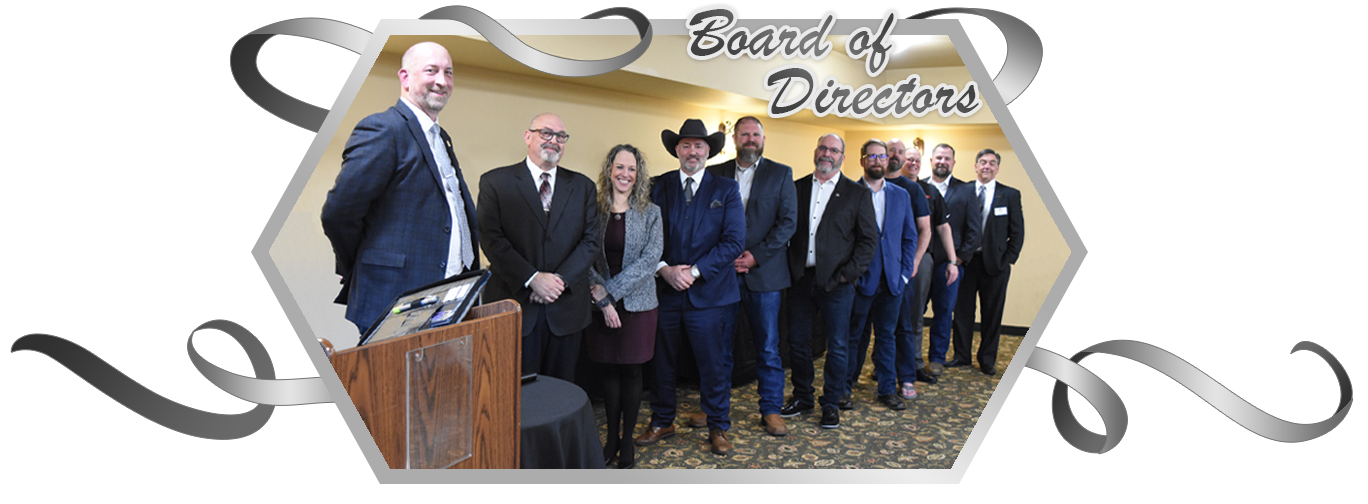
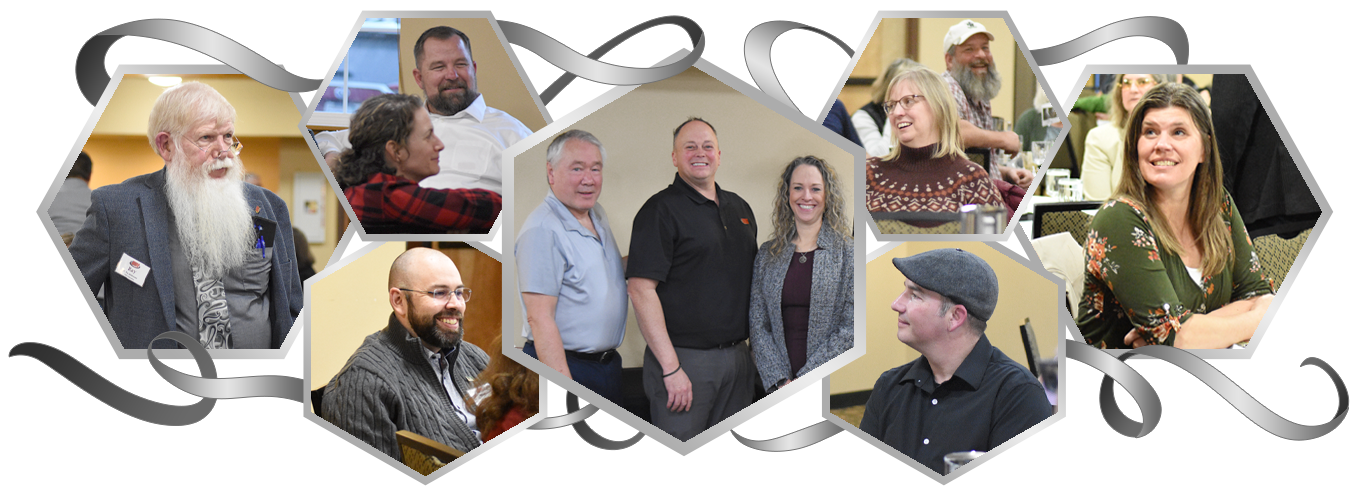
2026/2027 Board of Directors
WABO PRESIDENT’S REPORT - by Todd Blevins, CBO
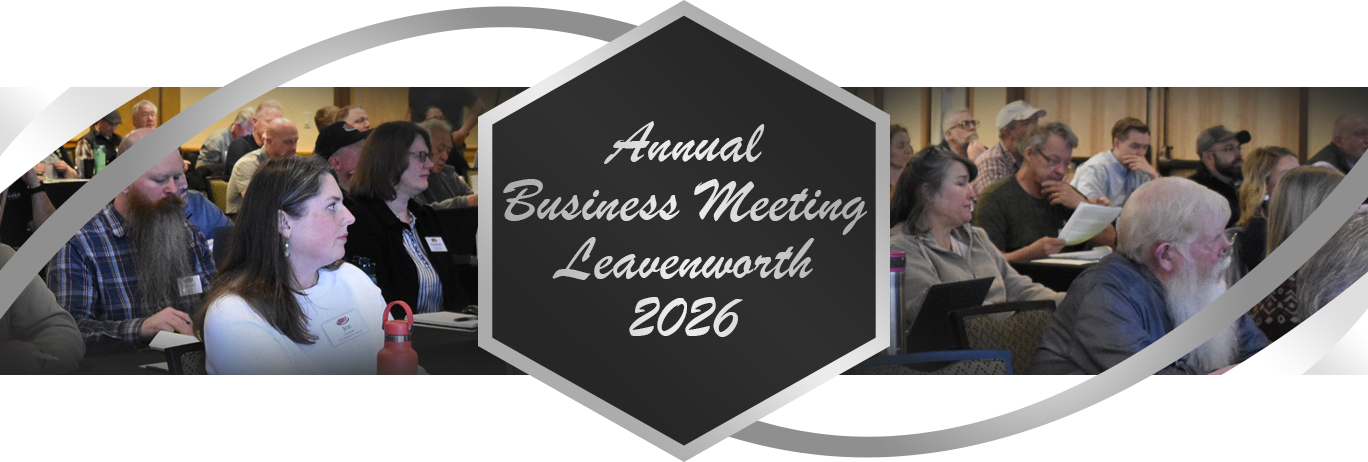
The annual business meeting for 2026 was well attended and I was excited to see many new faces at the first timer’s meeting. The officers and committee chairs that attended did a great job describing their passion for the volunteer jobs that they work so diligently work on. WABO would not exist without the huge effort of all our members volunteering their time and experience. If you would like to be a part of something extraordinary, get involved with a committee.
Our elections went well; I would like to congratulate those that retained their positions and welcome our new officers and new committee chairs. I look forward to serving with each and everyone on the executive board. As we continue to represent the general membership, I foresee a smooth transition due to the previous great leadership that WABO has had, training us that have stepped into new roles.
I was asked what my platform would be as the new President, my first thought was not to mess up the great work that has built this phenomenal association. Secondly, my intention is to continue with what got me involved with WABO almost twenty years ago, I wanted to see more people being a part of this group. My focus is very simple, “Reach Out”. What do I mean? I understand we are all busy at our paying jobs, but a quick phone call to a neighboring jurisdiction, answering a question on the WABO Chat, inviting your new employee to a WABO meeting(which we will pay for), send your employees to our training so they can get some face to face time with their peers and build those relationships that we all rely on. Go to the awesome “meet and greets” that our sponsors so generously provide and sit with someone new. Introduce yourself as an available mentor to those around you and sign up as a mentor if you haven’t yet. I believe this group of people from Washington are some of the best, so let’s reach out.
Lastly, I am excited to see what we can accomplish together and look forward to seeing you all this summer at our next meeting.
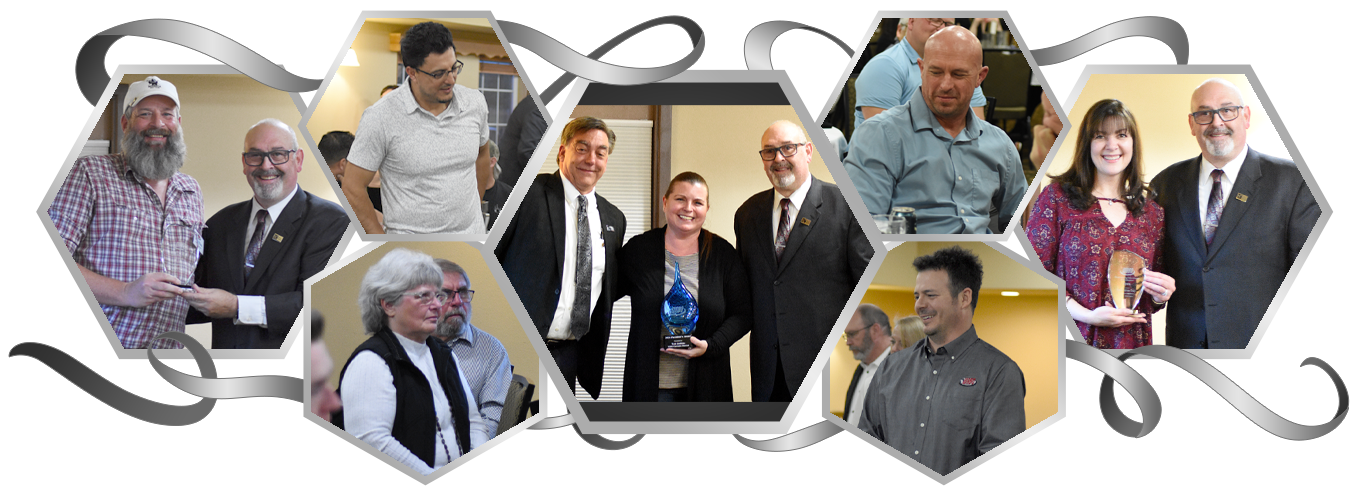
2026 Code Official of the Year: Johnathan Goldsmith, City of Spokane 2026 Outstanding Educational Achievement: Stephanie Day, City of Kirkland 2026 Associate of the Year: (Not Present) David Swasey, Swasey Consulting 2026 President's Award: Tara Jenkins, Jenkins Management Solutions
Technical Code Development Committee - Chair Micah Chappell, MBA, CBO - City of Seattle & Co-Chair Jon Siu, PE
At the WABO Annual Business Meeting in Leavenworth, the Technical Code Development Committee (TCD) started off with a short presentation on the upcoming ICC Group A and B Public Comment Hearings (PCH) and Online Governmental Consensus Vote (OGCV). The presentation reviewed the ICC code development process, and the PCH process. The PCH determines what is on the OGCV ballot, which is scheduled to be open from May 8 to May 22. TCD encourages all jurisdictions to participate in the OGCV and fully utilize their jurisdiction’s votes. As in past cycles, TCD will be compiling a Voting Guide to aid in identifying important issues, with suggested positions on the code change proposals. We anticipate the guide will be posted on the WABO website the week of May 11.
Following the ICC code development presentation, TCD presented summaries of the requirements in four code changes that have been mandated through State legislation: single exits, multiplex housing, small dwelling units, and emergency shelters. The SBCC established a special Technical Advisory Group (TAG) to cover the first two topics, and sent the other two to the Building Code TAG. As of the Leavenworth meeting, the State Building Code Council had voted to move the single exit, multiplex housing, and small dwelling unit code changes to the next step in the process, opening them up for public comment starting May 6, while the emergency shelter proposal was still under review. See the SBCC website for further information.
In the afternoon, TCD used the Code Forum time to hold a mock Public Comment Hearing in advance of the upcoming PCH and OGCV. Two real proposals from the PCH agenda were discussed. The first related to establishing regulations for occupiable roofs in the IRC, and the second proposed triggering fire sprinklers at some level of repairs. WABO members were assigned roles to support or oppose the changes and comments, but everyone in the audience was allowed to vote on the outcome. The session was educational for all involved, even for those who have been involved in the ICC code development process for many cycles.
Following two meetings in May and one in June, TCD will be on hiatus until the end of August, when we’ll kick of the ICC code development cycle that will result in the 2030 I-codes.
Certification & Registration Committee - Chair Brian Smith, CBO, ACO
The Certification & Registration Committee developed the WSEC Plans Examiner Program and is now active and available as a resource to assist jurisdictions and industry in addressing the increasing complexity of Washington’s energy code requirements. The program establishes a consistent framework for demonstrating competency in the residential and commercial energy code plan review through a combination of education, experience, and examination. More information can be found on the WABO website.
C&R has also issued an RFP to secure an additional Technical Consultant to support administration of the C & R programs. The RFP closes May 15, 2026, and the selection process will include participation from representatives of the Executive Board, C&R Committee, SIRP and Weld Board. The RFP announcement and details can be found on the home page of the WABO website.
The SIRP Committee is monitoring recent legislative changes from 2023 under SHB 1323 that resulted in updated requirements related to Fire Resistant Material Applicator certification. RCW 49.105 establishes training and certification requirements for applicators installing fire-resistant materials in certain construction types and risk categories. Approximately 60 applicators are currently certified through L&I approved course sponsors. More information can be found at https://lni.wa.gov/licensing-permits/other-licenses-permits/fire-resistant-materials-applicator
Government Relations - Chair Tim Woodard, CBO, ACO
The Government Relations Committee convened in Leavenworth April 15th, WA. In that meeting our contract Lobbyist provided us a synopsis of the end of session. This session had several bills that WABO worked with members or the house and senate to modify bills. Those modifications mostly centered around directing the State Building Code to make changes and to eliminate technical codes being written into legislation. We are happy to announce that WABO was successful this last cycle in modifying all bills we were concerned with. We are further happy to announce that no bills we opposed were passed into law.
While this update is mostly positive, we unfortunately didn’t have one bill we supported pass. That bill was of course the WUI Code bill (HB 1254). This means we are still subject to enforcement of the provisions from the WUI code that are written into RCW. The trigger requiring us to do this is the completion of mapping from DNR. The Government Relations committee is still dedicated to figuring out when this will be. We have two WABO members on the steering committee and will update membership as soon as we can.
I want to thank all that were in attendance and the other members of our organization that engaged in our Friday check in meetings through the session.
Education Committee - Ryan Mumma, CBO, ACO
A special thank you to Stacy Criswell for facilitating the Education Committee in my absence. The Committee went over the 2026 Annual Education Institute (AEI) reports which covered class comments, instructors, final numbers, and the class projections for the 2027 Annual Education Institute. Instructor comments were positive and we can see the improvement of a few instructors as they course correct through the years. The Education Committee reviews extensively the information that is extracted off of the survey results from the Annual Education Institute and thanks the individuals that provides constructive feedback that is helpful to make the event better each year. The 2027 AEI will be moving to a new location and be held at Muckleshoot Resort in Auburn, WA. The Education Committee selcted classes for the 2027 Annual Education Institute and hope to have them finalized at the 2026 Summer meeting. If you are not aware, the committee enlists the help of volunteers to join and help put together the roster of classes that you see offered each year at Institute. So, if there was something you wanted to see but didn't, this is your opportunity to join the committee and help establish the trainings that matter to you. Please contact Ryan Mumma at [email protected] for more information.
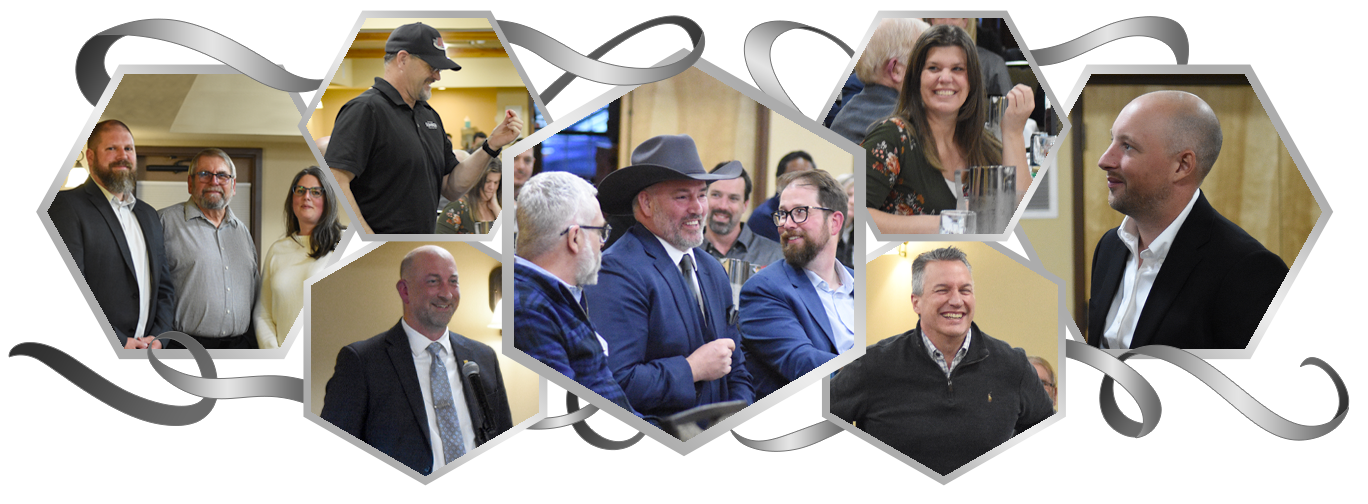
Outreach Committee - Chair Stacy Criswell, CBO, ACO (outgoing) & Ted Corey, CBO (newly elected)
Over this last quarter we continued building practical tools to support member outreach and engagement.
- For Building Safety Month, we shared a customizable template that jurisdictions can easily adapt for local use (found on our website) helping promote consistent messaging without reinventing the wheel.
- We previewed a Building Department focused coloring book (huge shout out to Tanner Jenkins) nearly ready for release, designed to make building safety approachable for younger audiences (and maybe a few adults who enjoy staying inside the lines).
- Following up on the success of Brian Smith our CC&R Chair, we are currently seeking assistance developing two forms related to the new WABO Washington State Residential and Commercial Energy Code Certifications. The first will be distributed to consultants, architects, and other industry partners who would benefit from obtaining the certification for plan reviews. Once we reach approximately 25–50 certified individuals, we will provide a second, customizable form for jurisdictions interested in requiring plan review and stamping by a certified professional prior to permit submittal. If you are interested in helping come up with these draft documents, please reach out to myself or our new Public Outreach Chair Ted Corey at [email protected] and we can get you connected.
Lastly, I want to thank the membership for your continued support during my time as Public Outreach Chair. As I transition into the role of Second Vice President, I remain committed to supporting this committee and the organization however I can. WABO continues to be an outstanding resource for sharing knowledge, answering questions, and mentoring, so I encourage you to reach out to your peers, attend meetings, sign up for the COAP Program, or just be a fly on the wall at one of our many virtual committee meetings. When we work together, share knowledge, and support one another, we build not only safer communities, but a stronger profession.
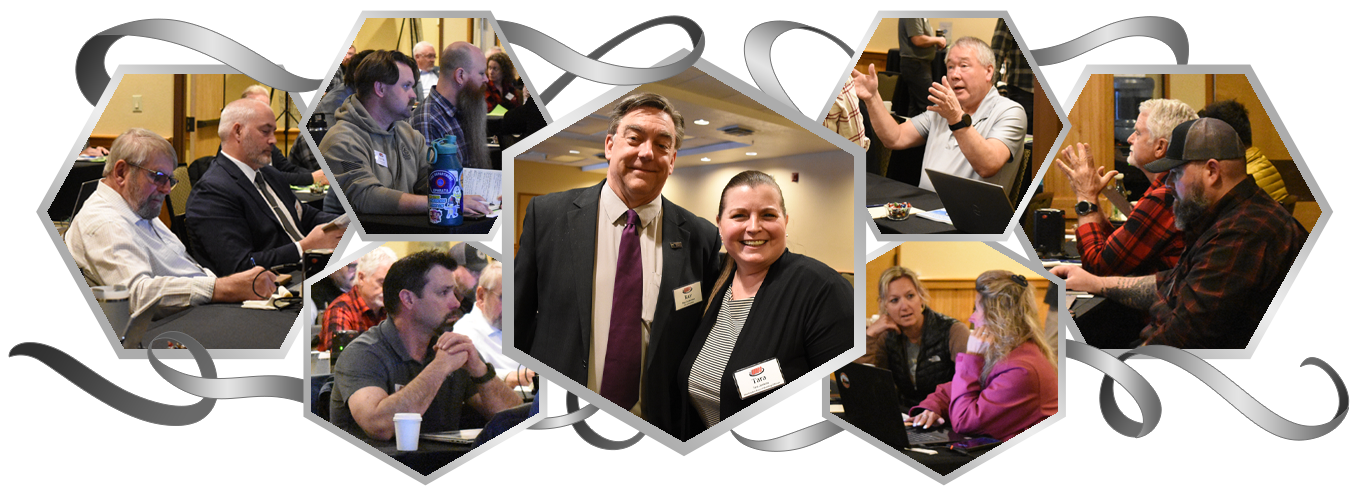
Emergency Management Committee - Chair Quyen Thai, CBO, MCP
The WABO Emergency Management Committee has had a very successful year so far. Our WABO AEI Building Safety Evaluator (BSE) class hosted nearly 60 attendees, and with the addition of several new trainers, the feedback has been overwhelmingly positive. The course is constantly evolving; we are regularly adding new content and refining existing material to ensure it stays relevant. So far this year, the BSE course has been co-taught by WAsafe and WABO EM in King County, Seattle, Bellevue, and the Kitsap Peninsula, with more sessions scheduled for the coming months.
We are also coordinating a "Train the Trainer" session for the Building Safety Evaluation course in early June. Please keep an eye on the WABO calendar or reach out to me at [email protected] if you are interested in volunteering as a trainer.
As a reminder, May is Building Safety Month. I encourage everyone to work with your local councils to create a proclamation, especially as we recognize the 25th anniversary of the Nisqually Earthquake (which occurred on February 28th).
On the legislative front, House Bill 1810 unfortunately did not pass. This bill would have directed the Department of Commerce to work with the Washington State Department of Emergency Management to fund data collection and inventory for unreinforced masonry (URM) buildings. We will advocate again next year, whether through this bill or a similar proposal during the next legislative session.
Additionally, we are continuing work on the BSE Coordinator’s Handbook. This guide is designed for individuals volunteering as coordinators, and we hope to share a draft with the membership soon.
If you have questions or wish to participate in the Emergency Management Committee, please contact Tara or Melissa at WABO to be added to our meeting invite list.
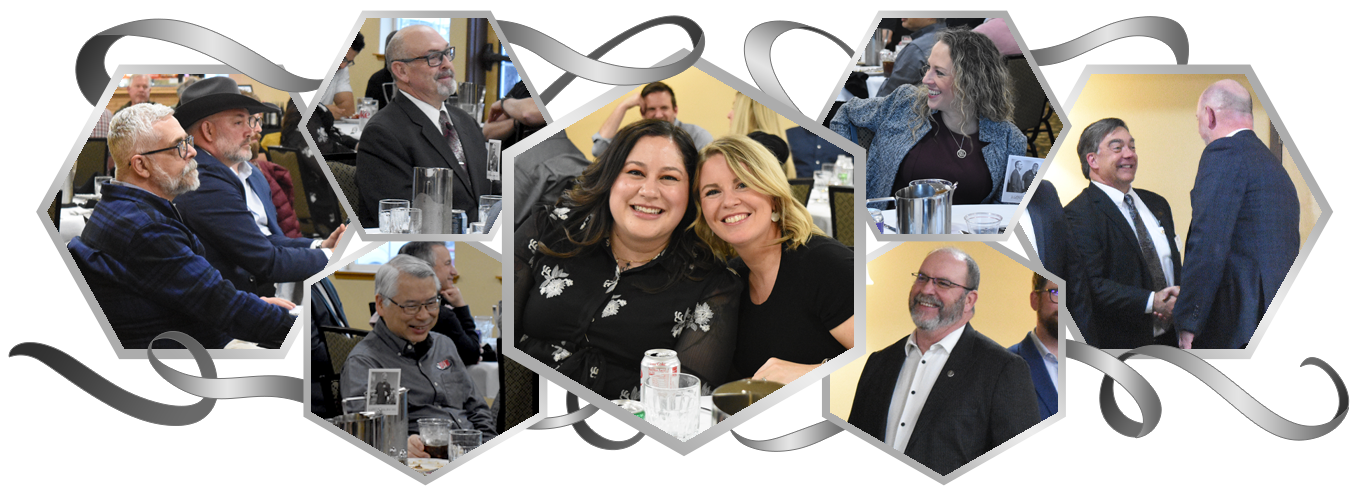
Accreditation Committee - Chair James Tumelson, CBO, MCP, ACO
The membership was briefed at the Annual Business Meeting on the recent outreach and advising efforts that the committee has recently been working on. There was a Code Official Accreditation Program (COAP) booth at the Annual Education Institute all 5 days for increasing awareness and advertising purposes. Additionally, the committee has attended the BIAW Tacoma academy and Architecture, Engineering and Construction (AEC) Spring EXPO to expand our reach to prospective students and increased exposure.
If any of these accomplishments sound exciting to you or you have a passion for being a lifelong learner, you should consider joining the Accreditation Committee. Enrollment beings May 4th with classes being on September 14th, 2026. Scholarship opportunities are available and class sizes are limited. So, act now!
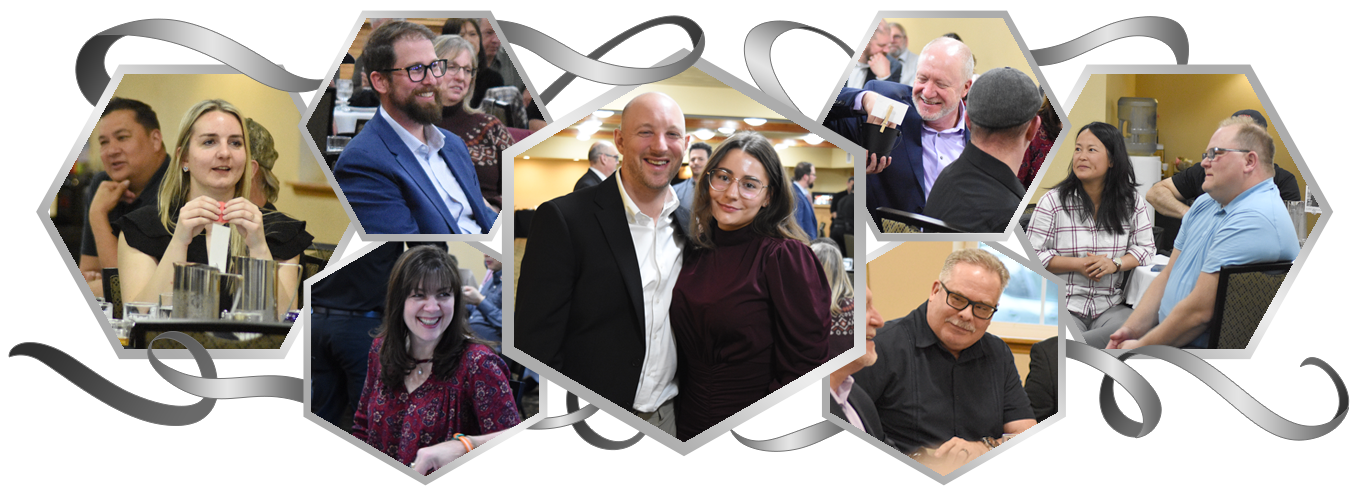
Finance Committee - Chair Andie Lorenz, CBO, ACO
Andie provided the membership with an overview of WABO's 2025/2026 3rd quarter financials.
TCD Scholarship Reports on the ICC Public Comment Hearings, April 19-24, 2026, Hartford, CT
Hoyt Jeter, PE - City of Tacoma
I attended the code hearing in Hartford, Connecticut, and strongly support the Washington Association of Building Officials’ (WABO) encouragement for professionals to participate in International Code Council (ICC) hearings whenever possible. This opportunity is particularly important because eligible voting members directly influence the outcome of code development. WABO supports participation by offering scholarships to assist with attendance. I am also fortunate that my jurisdiction supports this process by allowing individuals within our department to attend and actively participate.
One example that illustrates the value and evolution of this process is Code Proposal E120-24, which addresses electric vehicle (EV) parking and charging stations—an area that remains relatively new within the code framework. I will not cover all the details of this proposal, but I will highlight key aspects of its development.
To better understand the evolution of this code change, it is helpful to review the voting history of the submittal. During the first Committee Action Hearing (CAH1), the proposal was disapproved by a vote of 11–2, reflecting strong opposition. The committee’s primary concern was that certain technical provisions should instead be incorporated into the A117.1 standard.
Following the CAH1 recommendation, the proponent—along with other professionals—revised the proposal, removing sections containing technical provisions that were deemed more appropriate for the A117.1 standard. In the subsequent review, the proposal was approved as modified under Code Action 2 by a vote of 11–3.
At the Public Comment Hearing (PCH2), additional refinements and considerations were evaluated. To reach the public comment stage, the committee’s action had to be overturned by a two-third vote of eligible voting members in attendance. During PCH2, there were a total of six public comments submitted, including one from WABO. Each public comment required a motion and a second to be considered. Ultimately, the committee’s action was overturned, allowing the proposal to proceed to public comment review.
Following further deliberation, the committee voted to approve the proposal as modified by a vote of 10–4. However, additional improvements were identified, and further public comments were submitted for consideration. At this hearing the items were approved as modified by a vote of 85 yes and 11 no. So the final online vote will be for approval as modified by public comment 2 and 3.
The involvement of public comments and eligible voting members strengthens the process by ensuring broader industry input and more thoroughly vetted building code language.
This approach supports the thoughtful evolution of the code and ensures that jurisdictions, design professionals, building officials, plan reviewers, contractors, inspectors, and other stakeholders are provided with clearer and more effective regulations—ultimately advancing ICC’s shared mission.
The City of Tacoma encourages all eligible voting members to exercise their right to vote during the online governmental consensus process. Our collective expertise strengthens the ICC family of codes and supports its mission. By attending these ICC code development meetings, one really gets to know reason behind code changes. There is nothing more rewarding on one profession than knowing the why behind what we do.
As stated by the ICC, its mission is “to provide the highest quality codes, standards, products, and services to building safety professionals, the public, and members to ensure safe, sustainable, and affordable buildings and communities worldwide.” Similarly, WABO’s mission is to be “Leading the way to excellence in building and life safety.” The City of Tacoma’s mission is to provide high-quality, innovative, and cost-effective municipal services that enhance the lives of all community members.
Report from Jody Orrison, Deputy Building Official, City of Portland, OR
[WABO TCD Note: Ms. Orrison did not receive a TCD scholarship, but sent this report to encourage others to see the value of going to the hearings.]
ICC Public Comment Hearings - Hartford, CT
April 19-23, 2026
Going to the hearings again after a 3 year hiatus reminded me a lot of coming to the hearings for the first time in 2018. As I was telling my family afterwards about the drama, missteps, and happenings at the hearings, my daughter remarked, “It sounds like high school.” Yes!! It felt a little like high school on the second day when I realized I had accidentally chosen the middle of the concrete industry lobbyist unassigned seating section to set up for the day. And when I very discretely tried to cheat off WABO attendees voting screens when I wasn’t sure how to vote or had gotten lost in the back and forth of testimony. And when the “cool kids” would add weight to a proposal just because they liked the proponent. And so many inside jokes (“This is the kinder, gentler Terry?”).
But it’s also clearly a community. There was a birthday cake for a shared birthday – that was also offered to the whole room by someone holding a slice while testifying. One of the proponents had tears in her eyes after a public comment to add an appendix with a few basic security requirements to the IRC was approved after 3 code cycles of adjustments to pare down the requirements in her proposal (grit). Out of the handful of long time participants retiring who got a shout out, the one that got a standing ovation was one of the ICC staff who works mostly behind the scenes with technical coordination of the code proposals. She looked out over the standing, clapping crowd with her hands over her mouth.
None of that is why you should go to the hearings, but it does make it more entertaining. Go because seeing how the code language is made will help you better understand how to apply it. You’ll hear about the intent behind changes, different perspectives on what the code sections say, and maybe most of all – that it is not and never will be perfect. Stewart Brand was recently describing a couple books (that had nothing to do with building codes) and said,
“It’s full of the realization that there are always problems, and there are solutions. And that goes on infinitely…. And that’s what really needs to be maintained if we want to maintain civilization on the planet. It’s the engagement with science, with engineering, with open discourse… basically, with dealing with problems in a way that we honor that they can be corrected and that there will be other problems, and of being comfortable with that and moving with that and being as intelligent as we can be in managing all that.”
Working with building codes and now building code policy for 20+ years, this puts what can feel like an endless struggle into a better frame. It is worth the time and mental effort it takes to engage to make things better. And if/when there are new problems because of the changes, then we work on solutions to those problems.
Quyen Thai, CBO, MCP, MPA - City of Tacoma
Lessons Learned and Experiences: 2026 Public Comment Hearings in Hartford, CT
Where to begin? Let’s start with a life lesson that I feel the need to convey to people of all ages: when speaking about the fear of growing old or sharing nightmares about your hair turning white, ensure you aren’t sitting next to someone with white hair. For instance, someone like our great and mighty Jon Siu. Be aware of your surroundings and your seatmates, or you will embarrass yourself! Yes, lesson learned indeed. We did have a good laugh at the time though, don’t believe I laughed as hard as I did in quite some time!
The Public Comment Hearing itself was unique this time. There were fewer proposals and comments heard due to the new format, which requires many proposals to be heard twice—essentially creating a draft, a final draft, and then a final document for approval or disapproval. The intent was to make the final document clearer and more precise. Did it accomplish that purpose? I believe, for the most part, it did. The vast majority of the public comments made the proposals clearer and better worded for the intent of the I-Codes. There were exceptions, but those were rare.
Ultimately, I feel the process worked as intended, but it did seem to make Committee Action Hearing #1 feel more obsolete. I wouldn’t be surprised if, in the next code cycle, we see lower attendance at the first hearing and a much larger turnout for the second.
There was also a note of sadness this time around. I believe I counted four different occasions where we gave standing ovations for retiring individuals. We are losing a significant amount of institutional knowledge moving forward. Looking around the room and speaking with colleagues, I suspect the 2030 code cycle will be the final one for many others. I feel blessed to have started in the hearing process when I did—to have been around such intelligent and experienced individuals as Steve Thomas, Jon Siu, John Taecker, and many others.
However, it is sobering to know they are retiring or have already finished. We must find ways to encourage younger plans examiners, building inspectors, permit specialists, and office assistants to attend these hearings. Starting their immersion in the code development process now is the only way they can learn from those with decades of experience, ensuring our industry continues to succeed for years to come.
C.Ray Allshouse - City of Shoreline
I was afforded to attend the entire 2026 Public Comment Hearing in Hartford, CT April 19-23, 2026, by virtue of a WABO TCD Scholarship.
I was able to vote on all actions except for but a few due to having to field a couple of phone calls. Given that the 190 changes brought to the floor over the course of the Hearing were only subject to a qualified voting audience range of 30 to 130, one can conclude that WABO had a significant impact on setting the agenda for the Online Governmental Consensus Vote (OGVC) slated for May. This is why I made a concerted effort to be present for as many votes as possible. In addition, my attendance at preparatory TCD meetings and subcommittee meetings served as a great background for active meaningful voting at the hearings.
I was able to provide supporting testimony on G123-25 that affords portions of columns above 20 feet to be unprotected, where they are supporting roof construction. I believe that my contribution directly helped the resulting 2 to 1 vote in support of the Committee action despite strong testimony against this cost saving allowance.
My supporting ”me too” testimony on Public Comment 2 on E89-24, retaining wall guards, contributed to overwhelming support well above the required 2/3rd majority (81-10).
The experience was not without surprises. I was prepared and poised to provide testimony on G15-25, regarding soffit application clarification, as the first item under General, but the Public Comment was withdrawn just prior sending it to the section Consent Agenda.
I additionally provided “me too” hand waves from the pit on selected changes where other advocates, either for or against, raised expected comments. This helped to avoid bog downs caused by repeated testimony not otherwise flagged by the moderators.
I also made constructive use of various voting guides provided by stakeholders, such as NAHB and the Solar Industry, as well as other ICC Regional Chapters.
Angela Haupt - City of Kirkland
As always, attending the 2026 ICC Public comment hearings in Hartford was an enjoyable and educational experience. It continues to provide networking opportunities, as well as opportunities to influence the advancement of the I-Codes.
This was the first Public Comment Hearing held under the new ICC hearings format. We spent some late evenings and early mornings in meetings to try to stay on the pace that ICC staff had scheduled. Hopefully, next cycle, the schedule will be a bit more dialed in so that extra hours will not be required outside of the actual scheduled times. There were noticeably fewer proposals than there have been in the past when each group had separate
PCHs. I think that reflects that the new hearing format is working as intended.
From my perspective, WABO was successful in advancing the majority of the proposals in which we had an active interest. As always, the WABO representatives who developed proposals, prepared comments, and delivered testimony demonstrated an exceptional level of professionalism and expertise throughout the process. I look forward to participating in the 2030 code cycle starting next year.
Richard Williams - CWA Consultants
The public comment hearings brought a conclusion to the 2027 code change cycle as well as a very busy month of April. It felt like a pretty successful effort personally and also for the WABO TCD committee. I continue to be grateful to be part of such a strong and well-respected group.
During this code change cycle, I worked at becoming more comfortable at public speaking. I was able to work through outward signs of nervousness at the first few meetings to get to a point where I am able to get up and present my proposals and ideas more effectively. The next step is to work on the
proposals themselves and to make sure I am involved in complete and meaningful code changes, even if that means being involved in fewer of them.
The final round of this new code cycle structure made it clear just how important it is to have a knowledge of procedure and how to most effectively present and testify on proposals. This will also be a point of emphasis for me personally to improve on. This knowledge will be increasingly
important for all of us as the established participants in the hearings and in our group as we retire and move on.
I continue to appreciate the chance to participate in TCD with such an excellent group of individuals. They are the best at what they do and are a credit to the cities and the departments they work for. I’m looking forward to the next code cycle!
|